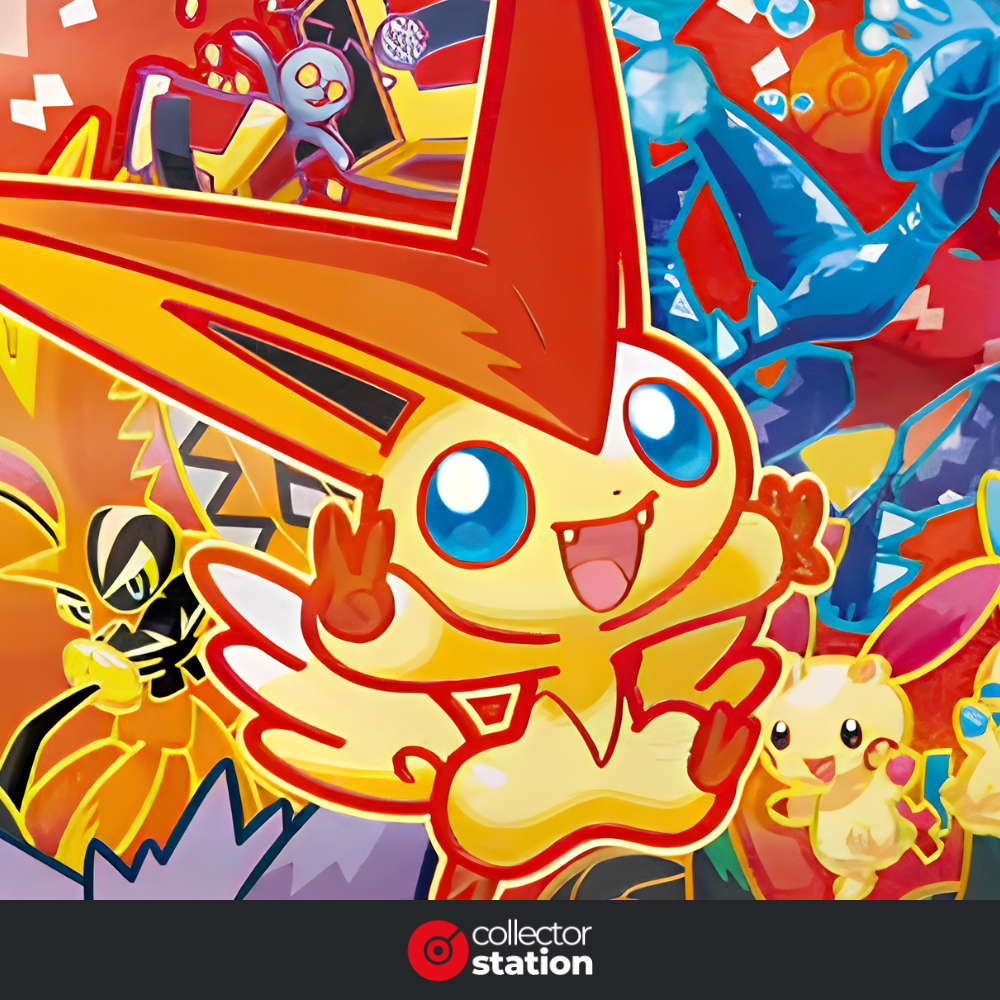
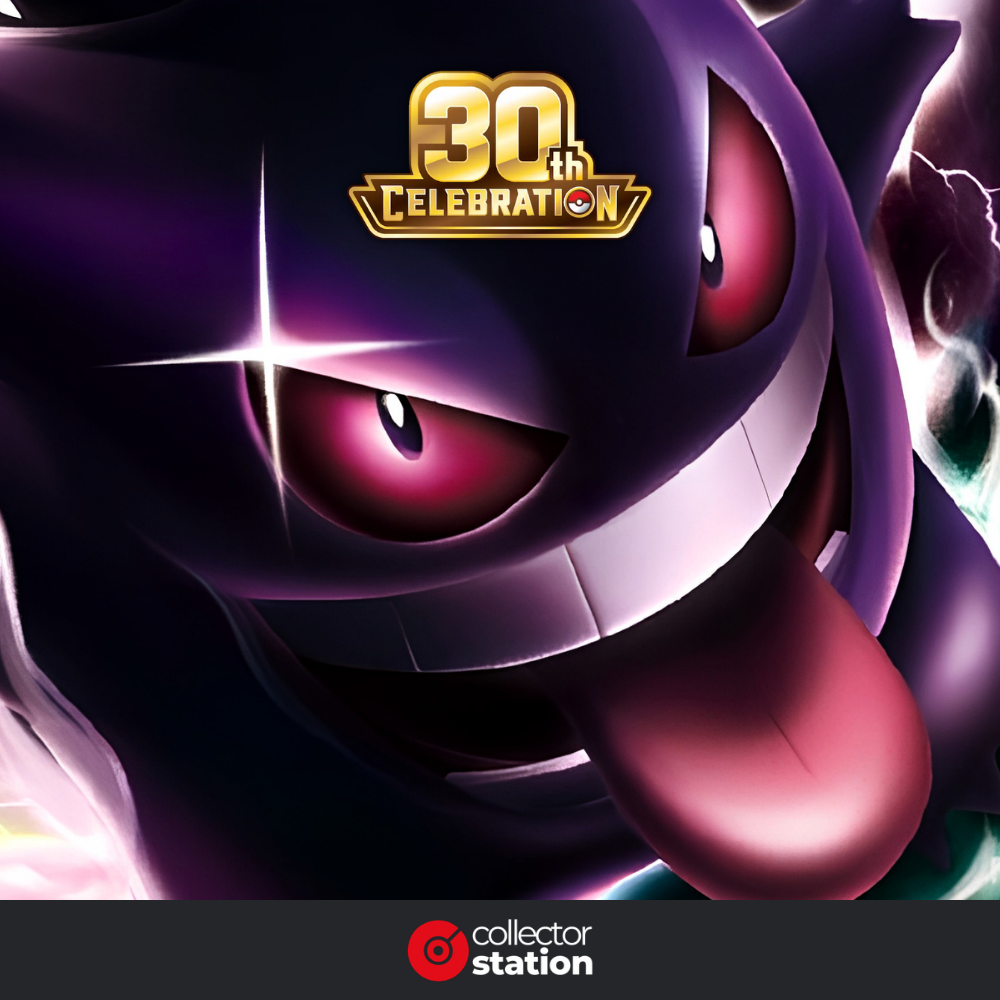
The 30th Celebration Classic Collection is a 30-card subset built to mark three decades of the Pokémon Trading Card Game, pulling one iconic card from nearly every era of the game’s history. Each card is reprinted with a special gold-foil treatment and a commemorative stamp found nowhere else, setting it visually apart from the rest of the 30th Celebration set.

Disclosure: We use referral links to our partner marketplaces, such as eBay and TCGplayer, for some of the collectibles featured on this page. If you make a purchase through one of these links, we may earn a small commission at no extra cost to you. It's a simple way to support our writers.
This countdown runs starting with 2023’s Paldea Evolved and working back through three decades to the original 1999 Base Set. Unlike the main 30th Celebration boosters, these reprints come in their own dedicated Classic Collection pack rather than being mixed into standard packs.
30. Magikarp (Paldea Evolved, 2023)
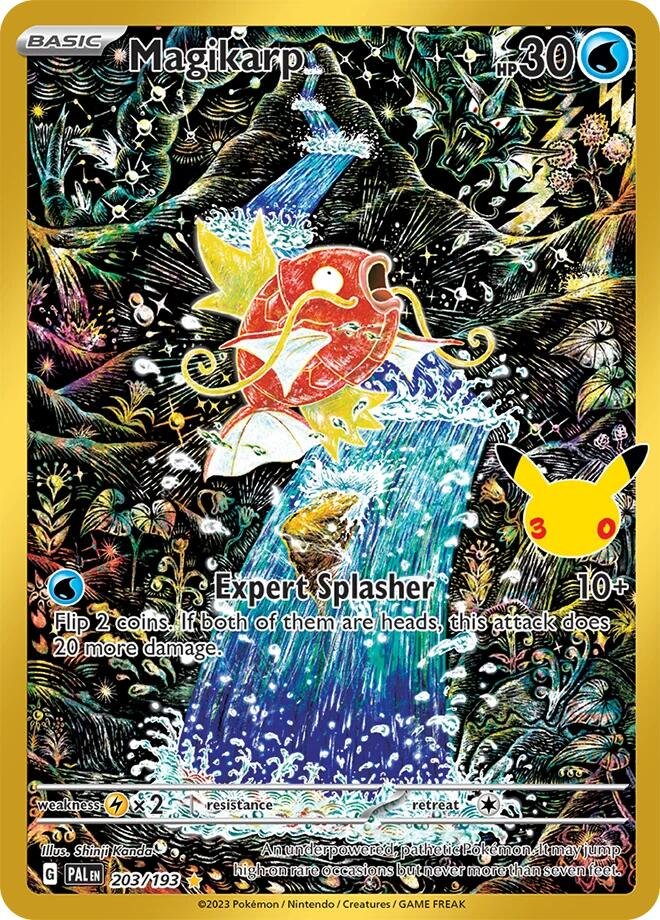


Magikarp is the TCG’s most famously “useless” Pokémon, and its inclusion here is a deliberate, affectionate joke. Giving it a gold-bordered anniversary treatment opens this countdown on the same sense of humor that’s followed Magikarp since 1996.
29. Arceus VSTAR (Brilliant Stars, 2022)
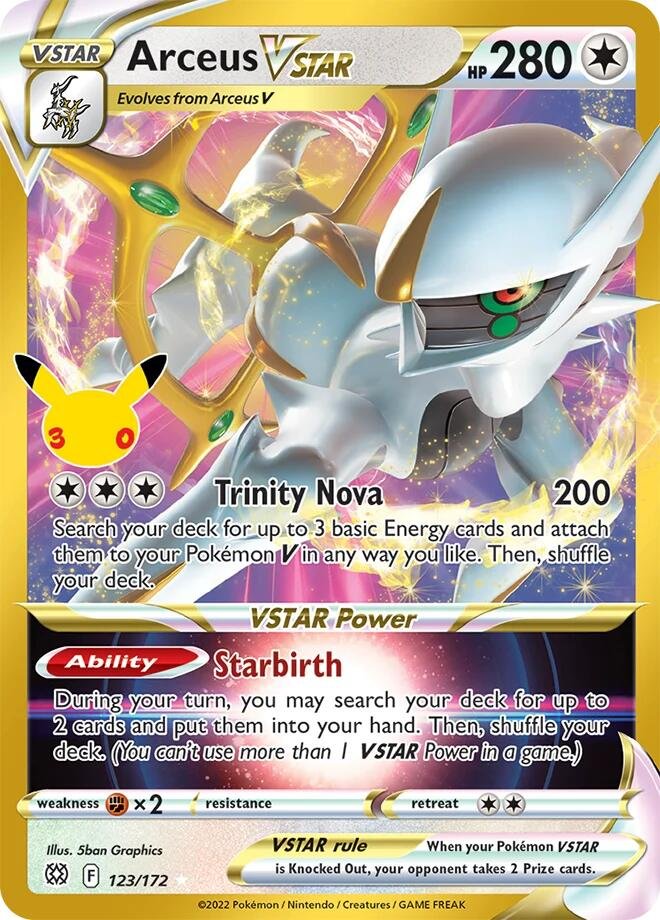
Arceus VSTAR represents the VSTAR mechanic and remains a favorite among both competitive players and collectors. It’s a strong, recent example of a card that’s already earned “classic” status in a short amount of time.
28. Mew VMAX (Fusion Strike, 2021)
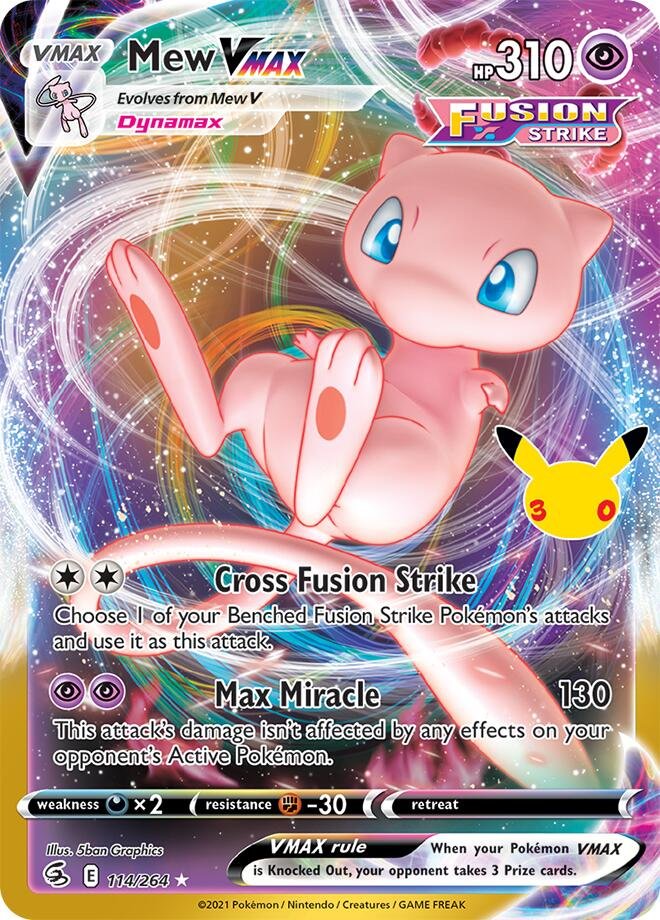
Mew VMAX became one of the most heavily pulled and collected cards of the early 2020s, driven by both its playability and its artwork. It’s one of the most recent cards in the collection with genuinely widespread recognition.
27. Raikou (Vivid Voltage, 2020)
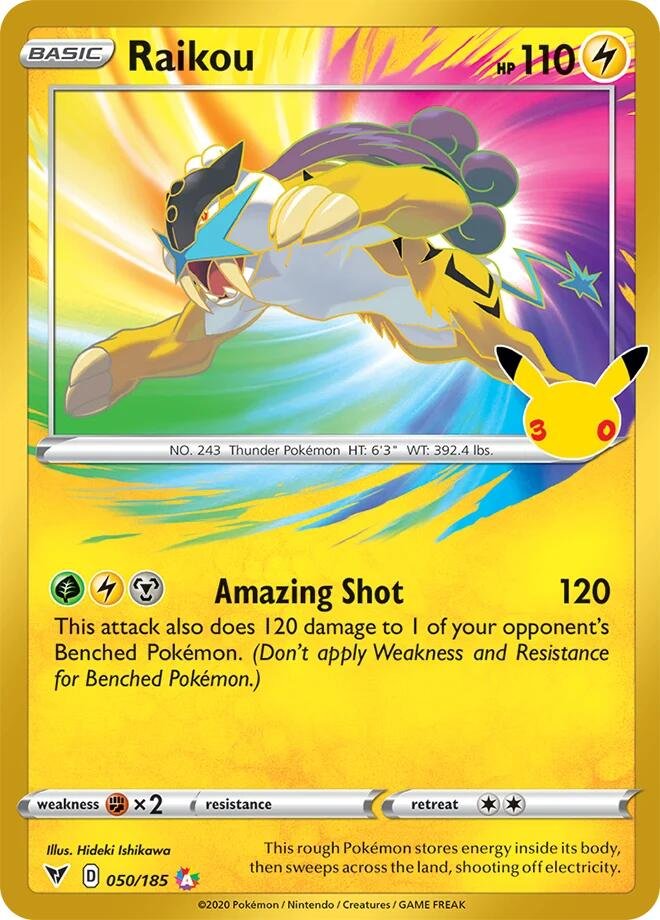
In an era dominated by flashy V and VMAX cards, Raikou stood out as a beloved non-V pull. Its popularity despite lacking the era’s biggest mechanic is exactly why collectors still talk about it.
26. Zacian V (Sword & Shield, 2020)
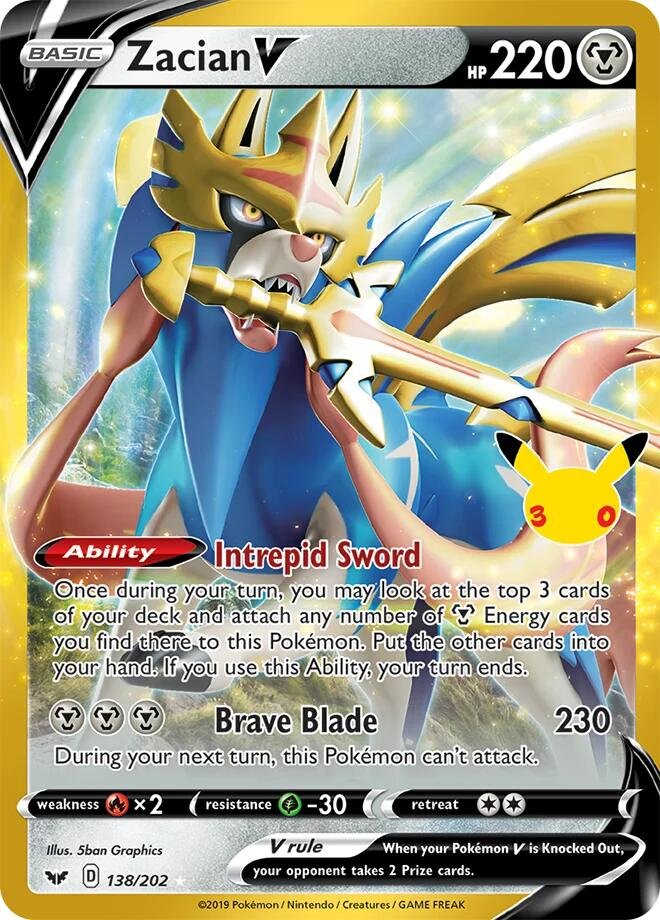
Zacian V effectively kicked off the modern V/VMAX era that still shapes the game’s Standard format today. It’s a fitting marker for where the TCG’s current card design language began.
25. Pikachu & Zekrom-GX (Team Up, 2019)
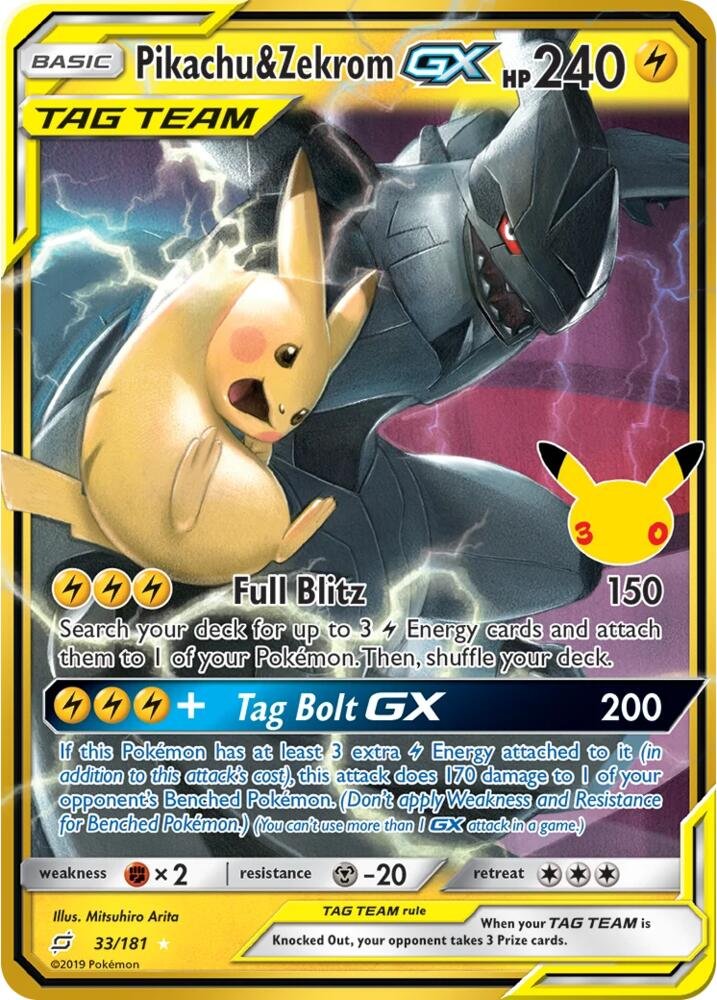
The Tag Team GX mechanic paired the franchise mascot with a legendary Pokémon, and this card became one of the era’s most chased pulls. It’s a strong example of how Pokémon has repeatedly reinvented Pikachu for new card generations.
24. Buzzwole-GX (Crimson Invasion, 2017)
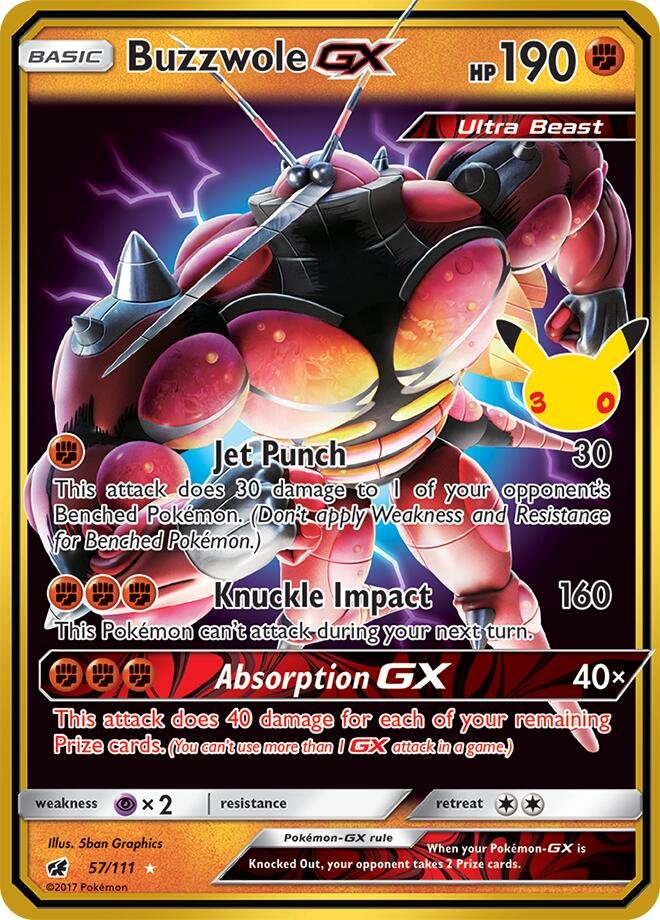
As one of the Ultra Beasts, Buzzwole-GX became a fan favorite almost immediately thanks to its unusual design and strong pull demand. It represents a memorable subplot within the broader GX era.
23. Solgaleo-GX (Sun & Moon, 2017)
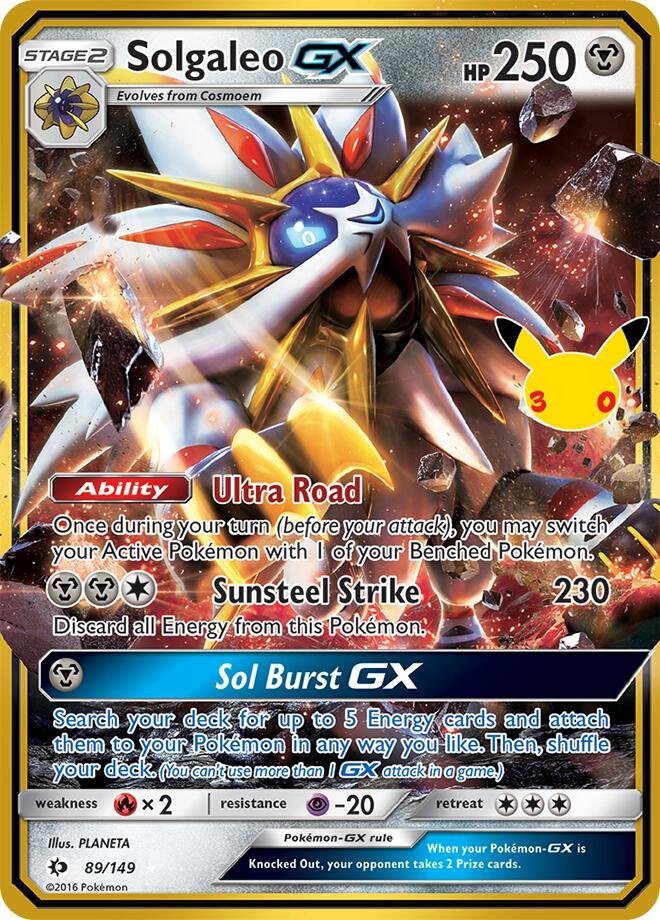
Solgaleo-GX marks the start of the GX era and the Alola region’s debut in the TCG. It’s a natural pick to represent the transition into a new generation of games and cards.
22. Greninja BREAK (BREAKpoint, 2016)
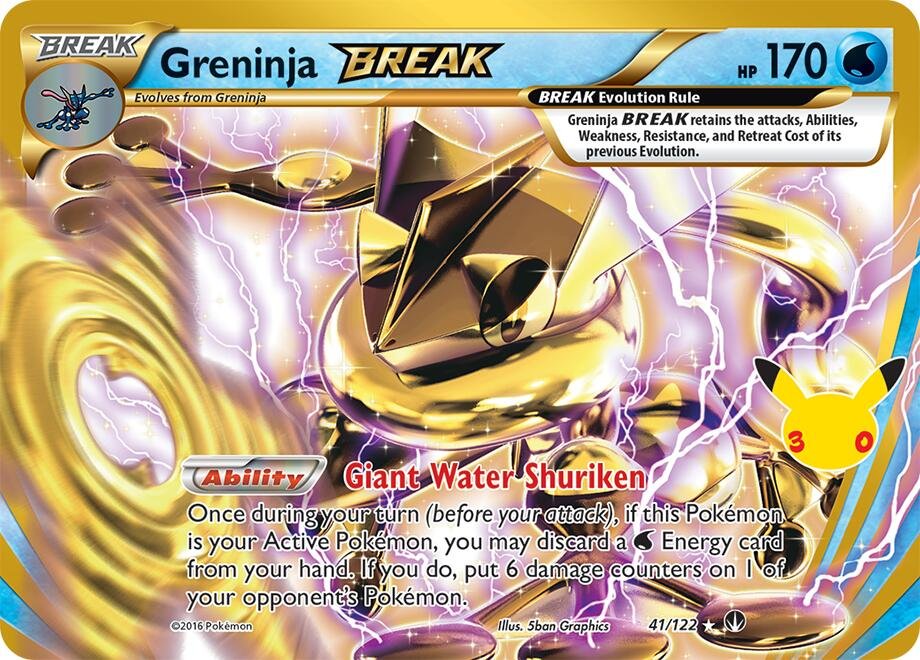
The BREAK mechanic gave cards a dramatic “mid-battle evolution” visual unlike anything before it, and Greninja BREAK became its poster child. It’s one of the more visually distinct mechanics in the collection.
21. M Gardevoir-EX (Primal Clash, 2015)
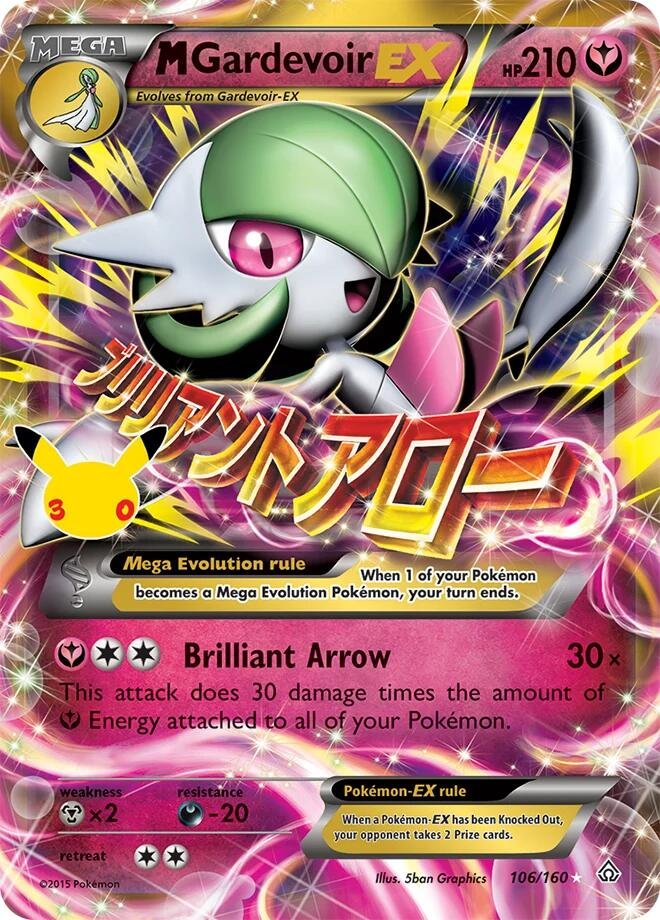
Mega Evolution had a brief but memorable run in the TCG, and M Gardevoir-EX is one of its most recognizable cards. It captures a design era that fans still ask Pokémon to revisit.
20. Genesect-EX (Plasma Blast, 2013)
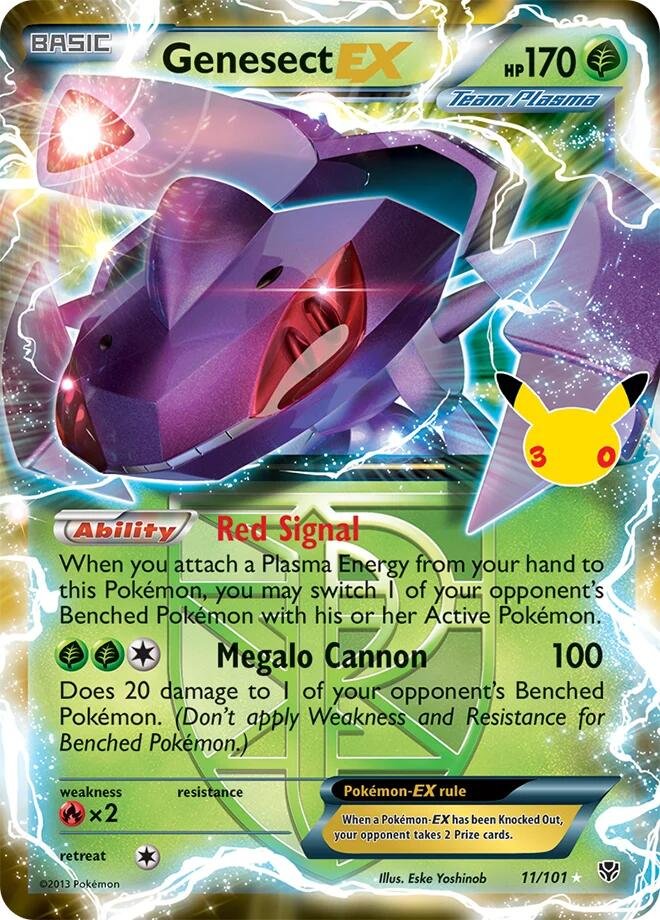
Genesect-EX closed out the Black & White block with one of its most competitively relevant cards. It’s remembered as a defining piece of that era’s tournament scene.
19. Rayquaza-EX (Dragons Exalted, 2012)
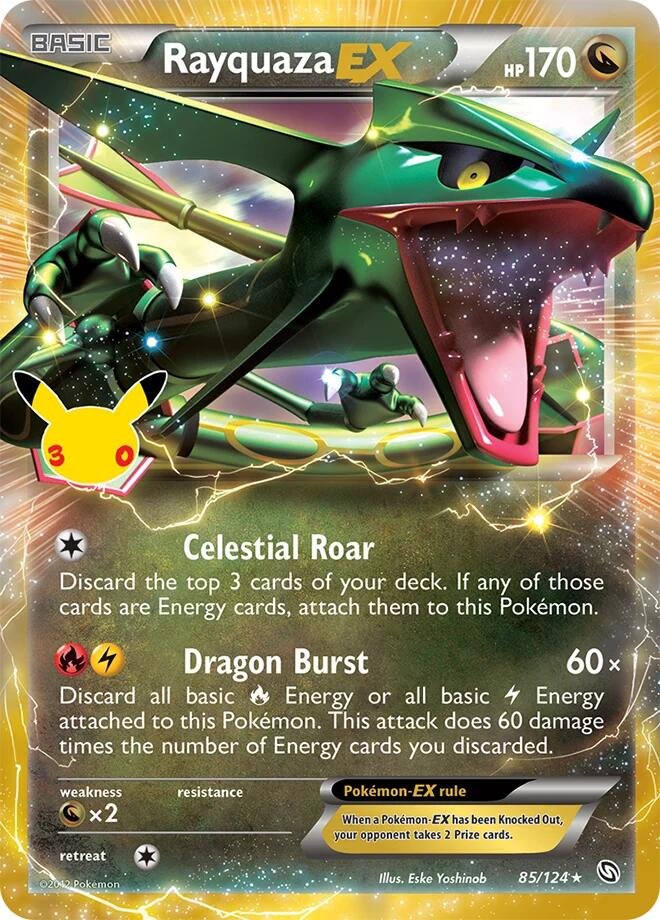
This card represents the modern “EX” era’s revival of the mechanic, distinct from the original 2003-era EX cards. Rayquaza-EX in particular was one of the flashiest and most chased prints of its set.
18. N (Noble Victories, 2011)

N is frequently cited as one of the best-designed Supporter cards ever printed, both for its game impact and its portrayal of a beloved character. It’s a card competitive players from the Black & White era still bring up unprompted.
17. Cresselia LEGEND, bottom half (HS Triumphant, 2010)
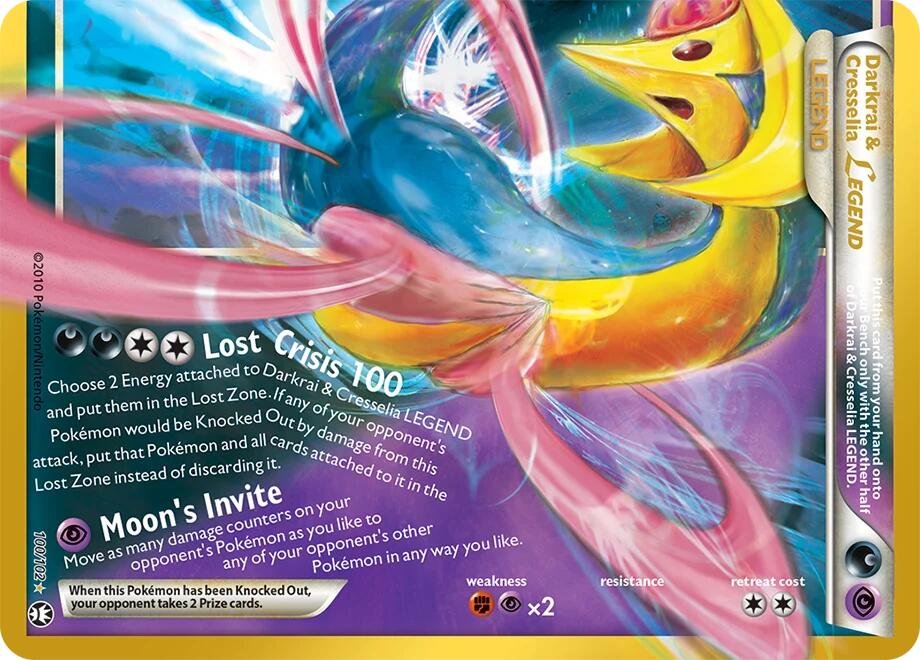
This is the matching second half of the Darkrai & Cresselia LEGEND card, and the reason the Classic Collection contains 30 physical cards rather than 29 individual subjects. Together with its Darkrai half, it’s one of the most distinctive two-card gimmicks the TCG ever printed.
16. Darkrai LEGEND, top half (HS Triumphant, 2010)
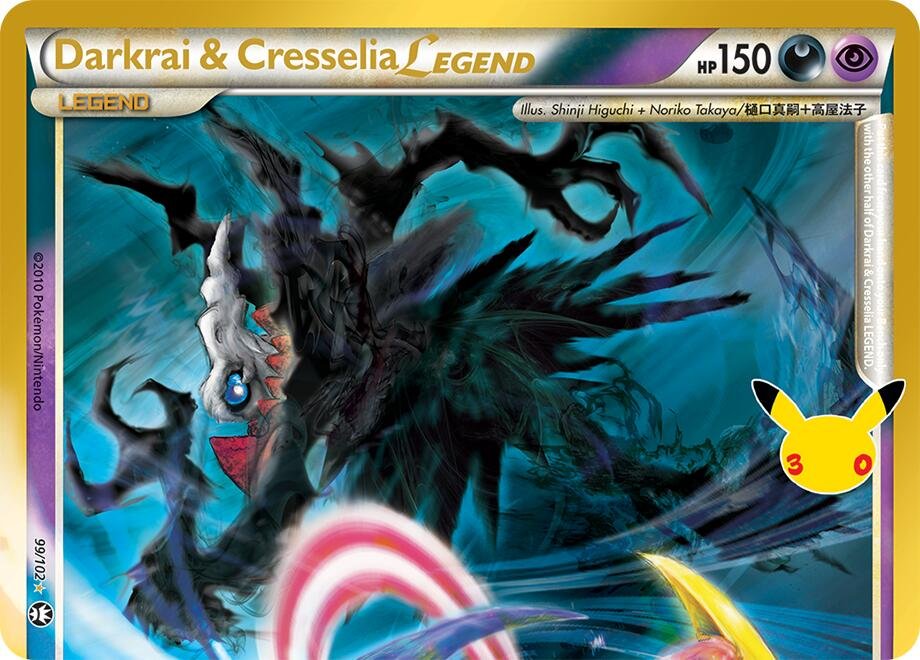
LEGEND cards had to be placed together as two physical halves to be played as one card, a bold design experiment for the HeartGold & SoulSilver era. Darkrai’s half of this pairing is instantly recognizable to anyone who collected Triumphant.
15. Gengar Prime (HS Triumphant, 2010)
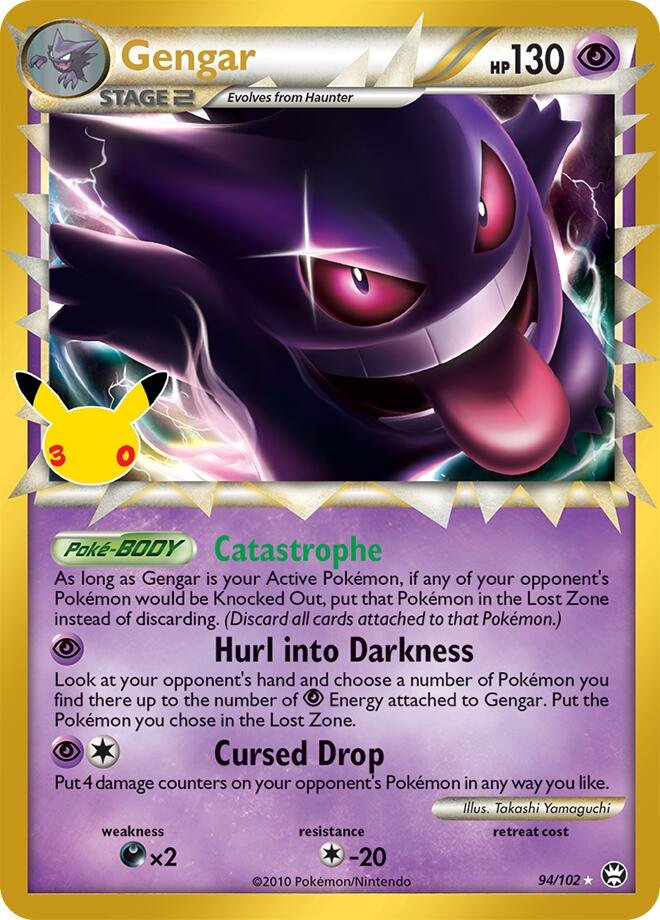
The “Prime” card mechanic only lasted one set, making every Prime card inherently rare and memorable. Gengar Prime is widely considered the best-known and most sought-after card from that short-lived line.
14. Crobat G (Platinum, 2009)
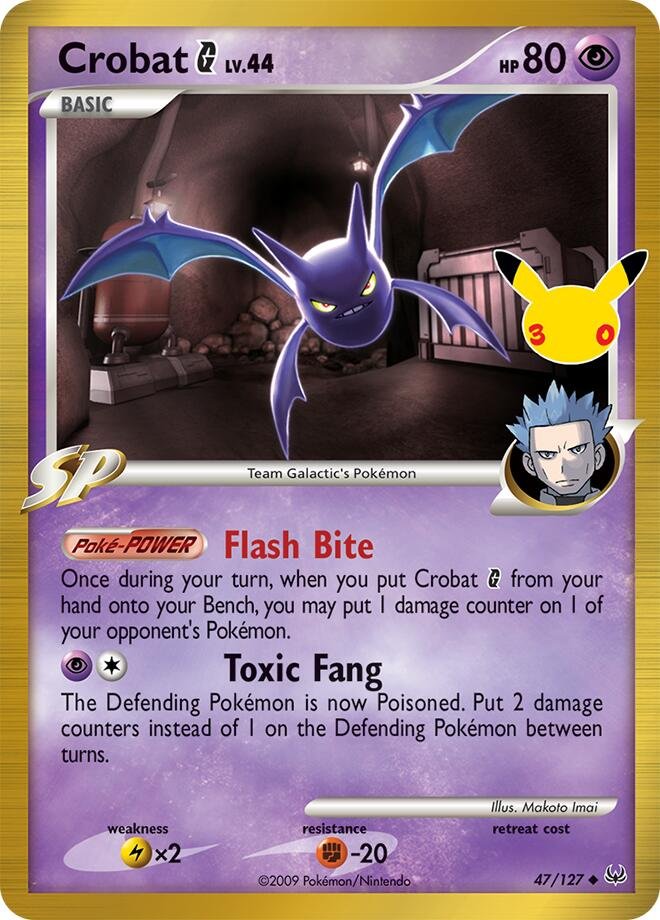
Crobat G belongs to the SP/G-card mechanic from the Platinum era, a design style that Platinum-block players remember fondly. It reflects a distinct visual and gameplay identity from that specific stretch of sets.
13. Uxie (Legends Awakened, 2008)
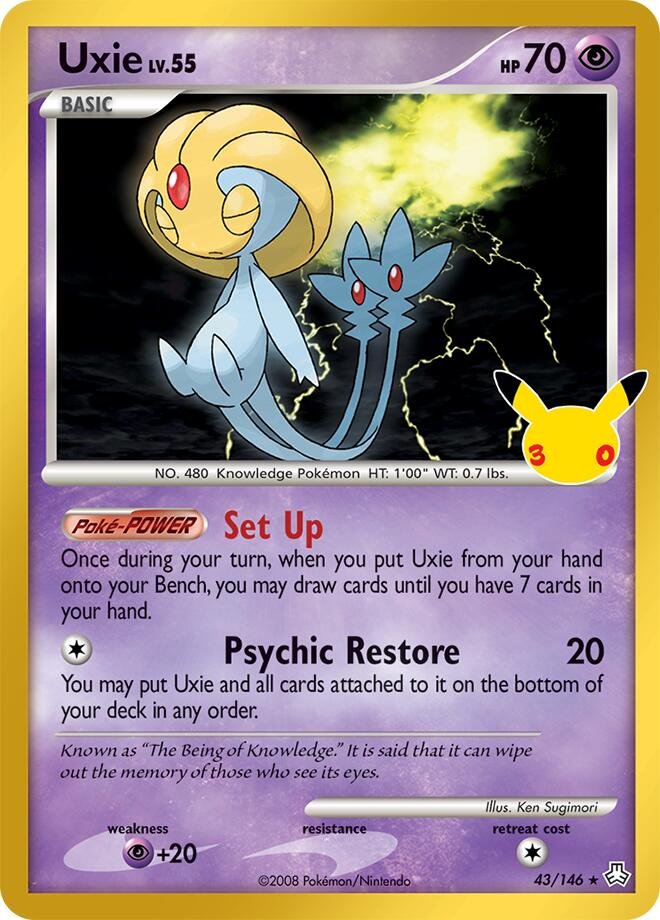
As part of the Lake Trio, Uxie was a quietly dominant card that shaped competitive play in its era. It’s remembered less for flashy art and more for genuinely defining how games were won.
12. Palkia LV.X (Great Encounters, 2008)
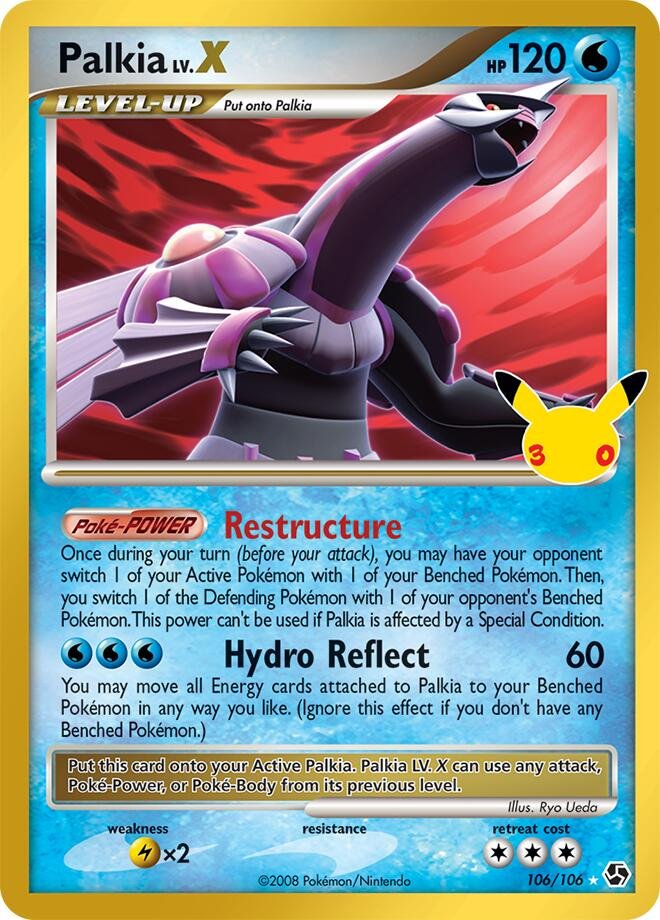
Palkia LV.X comes from the Diamond & Pearl era, when Pokémon first introduced cards that could “level up” mid-game. It’s a strong representative of a mechanic that defined an entire block of sets.
11. Metagross δ (EX Delta Species, 2005)
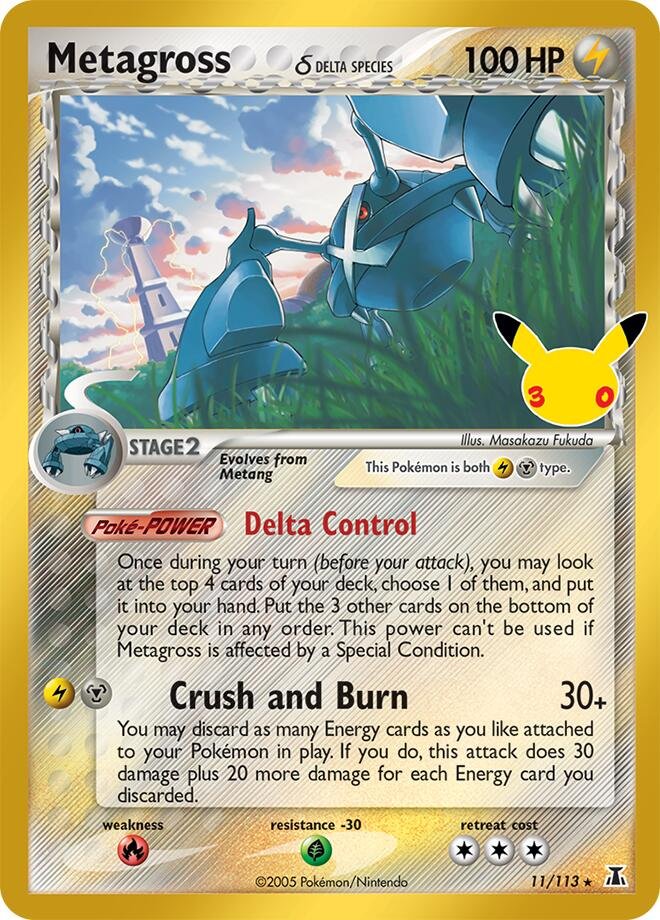
The Delta Species mechanic mixed Pokémon types in ways that felt genuinely experimental for its era. Metagross δ is one of the clearest examples of that short-lived but memorable design idea.
10. Scizor ex (EX Unseen Forces, 2005)
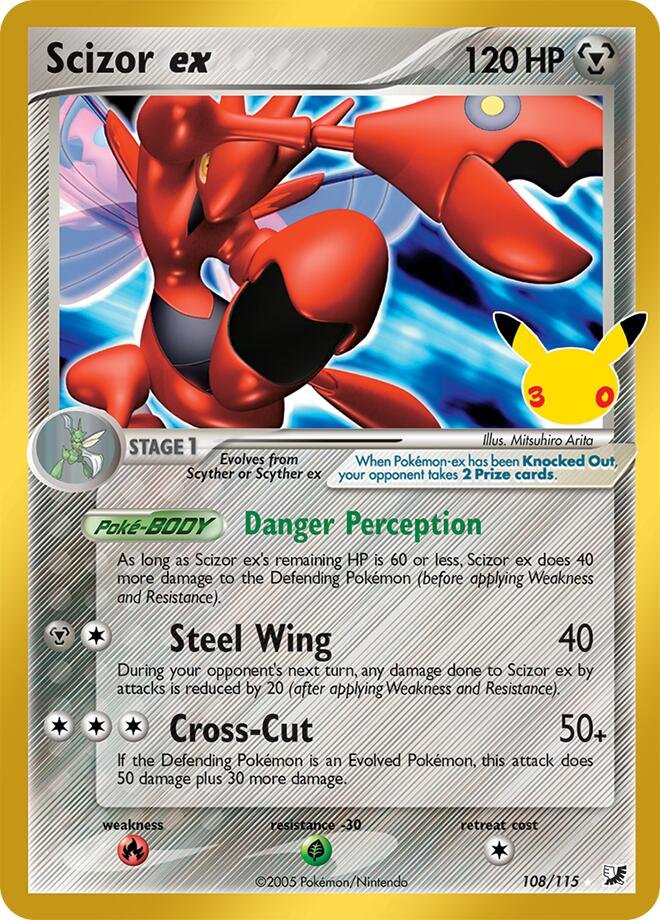
This card represents the original lowercase-free “EX” era before the format was revived and redesigned in later generations. Scizor ex specifically stood out for its strong artwork and playability at the time.
9. Dark Tyranitar (EX Team Rocket Returns, 2004)
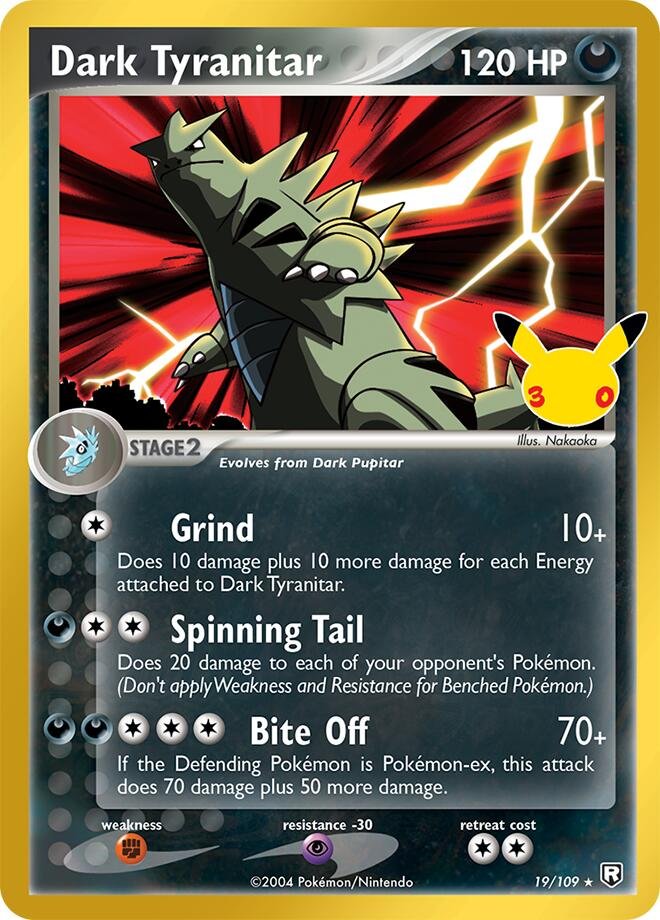
Dark Tyranitar is a callback to the “Dark Pokémon” mechanic, one of the more nostalgic gimmicks tied to Team Rocket’s storyline. It’s a favorite among players who grew up with the mid-2000s EX-block sets.
8. Delcatty (EX Ruby & Sapphire, 2003)
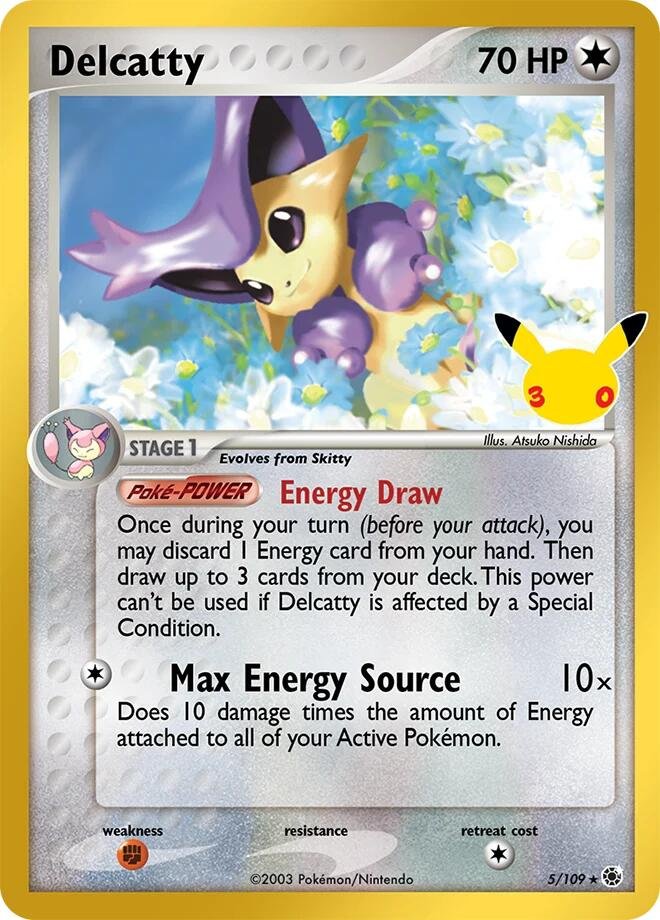
This card marks the TCG’s jump into the Ruby & Sapphire generation and the debut of the “EX” card format. It represents a genuine turning point in how the game structured its rarest cards.
7. Crystal Lugia (Aquapolis, 2003)
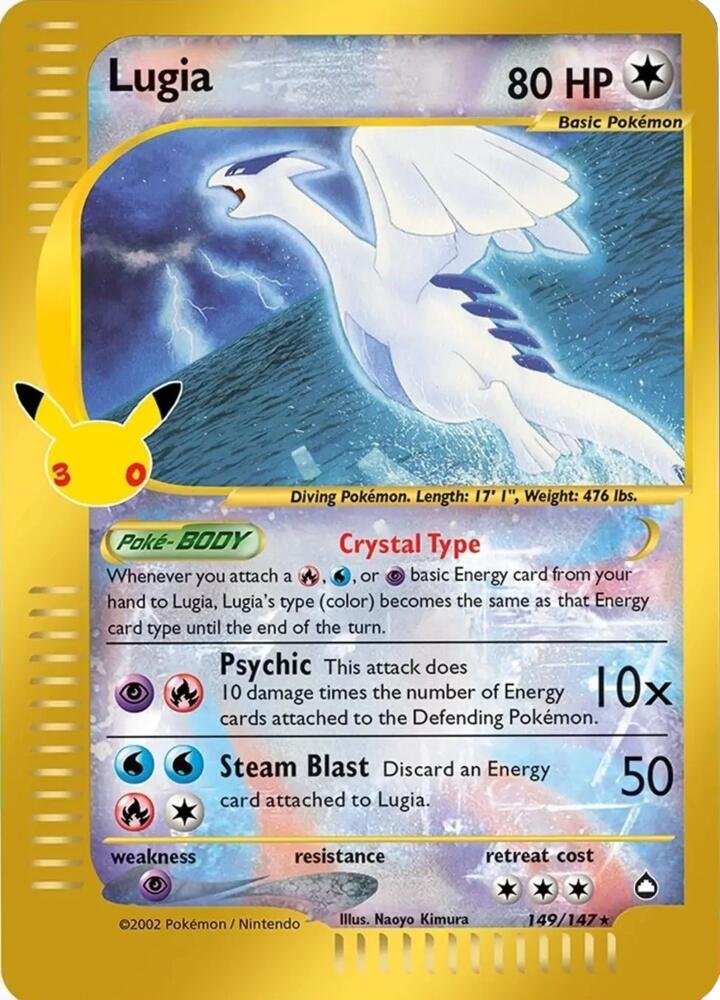
Crystal Lugia’s holo pattern and rarity made it one of the standout pulls of the short-lived e-Card era. It’s remembered as one of the most technically striking cards the TCG produced in the early 2000s.
6. Shining Celebi (Neo Destiny, 2002)
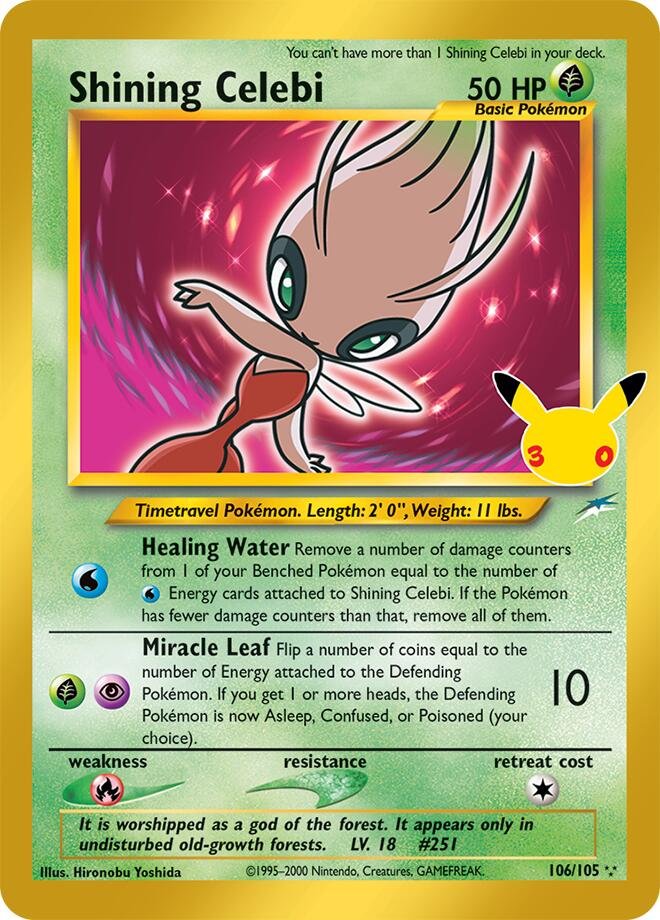
The “Shining” cards in Neo Destiny were the TCG’s first shiny-style secret rares, a concept the game still uses today. Shining Celebi in particular remains one of the most requested cards from that mechanic.
5. Sneasel (Neo Genesis, 2000)
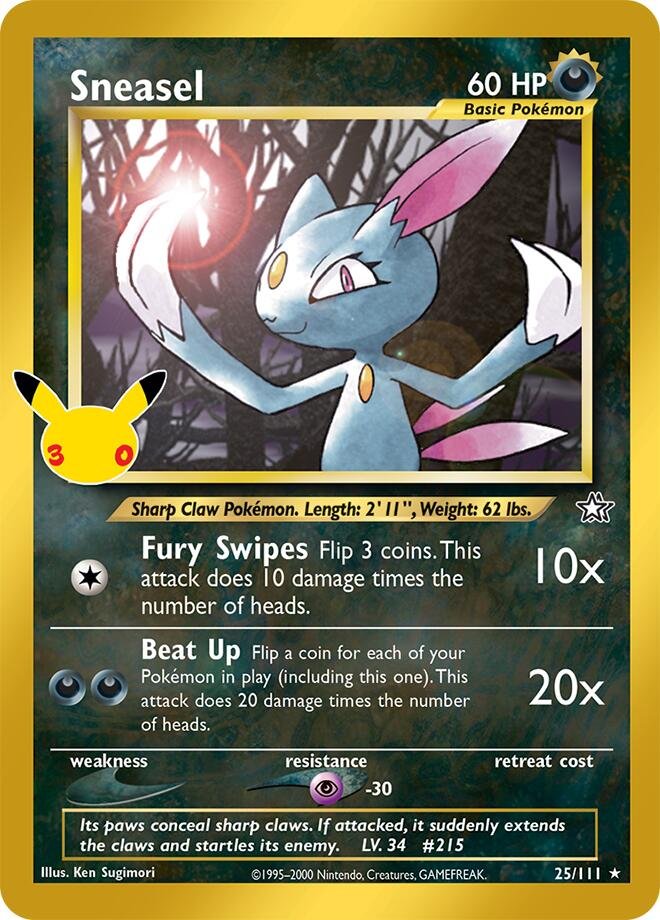
Neo Genesis was the first set to bring Johto Pokémon into the TCG, and Sneasel is a clean example of that generation’s early card design. It marks the moment the game expanded beyond its original 151.
4. Erika’s Jigglypuff (Gym Challenge, 2000)
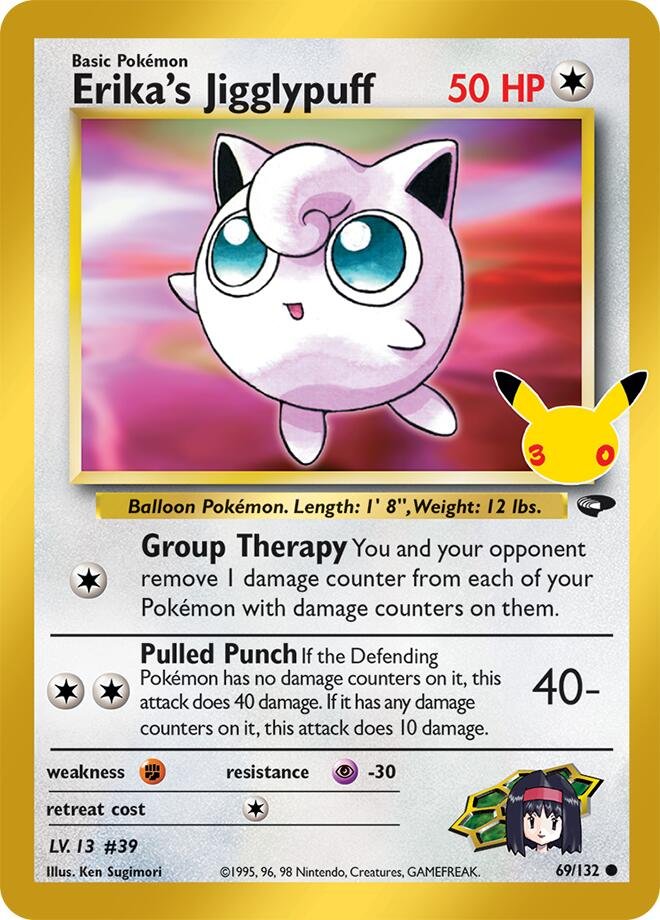
This card has quietly remained a favorite from the Gym Challenge era despite never being a competitive powerhouse. Its staying power among collectors for 25-plus years is exactly the kind of “classic” this collection is built to honor.
3. Misty (Gym Heroes, 2000)
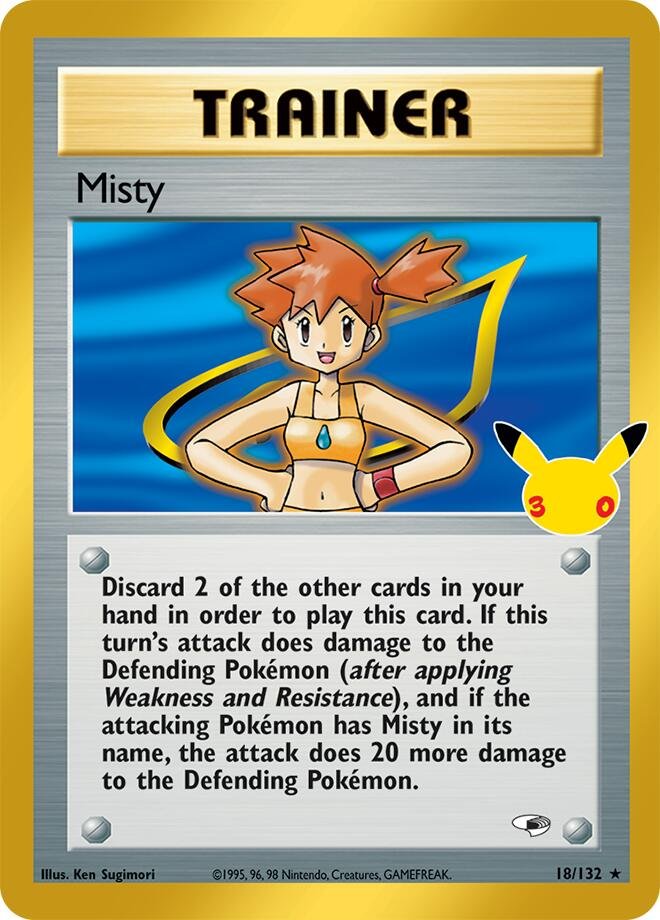
Misty was one of the first Trainer cards to double as a character portrait, part of the Gym Heroes set that turned anime Gym Leaders into playable cards. It represents the moment the TCG started building its own storytelling identity beyond the games.
2. Charizard (Base Set, 1999)
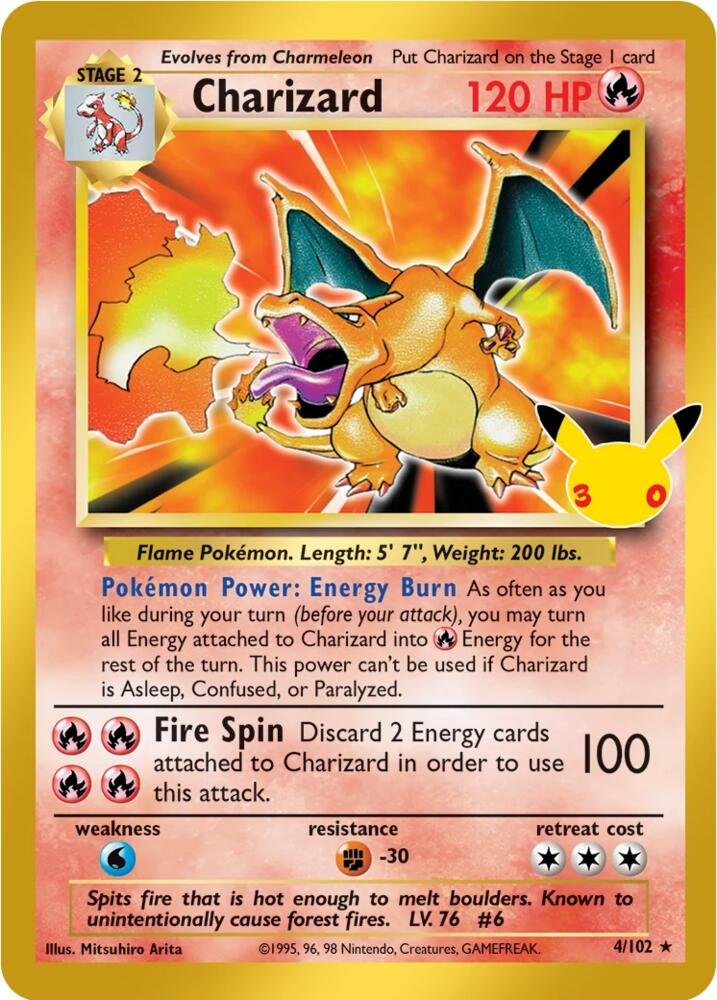
No single card is more responsible for the hobby’s modern boom than Base Set Charizard, which has sold for hundreds of thousands of dollars in graded form. Reprinting it here with a gold border acknowledges it as the TCG’s single most iconic chase card.
1. Pikachu (Base Set, 1999)
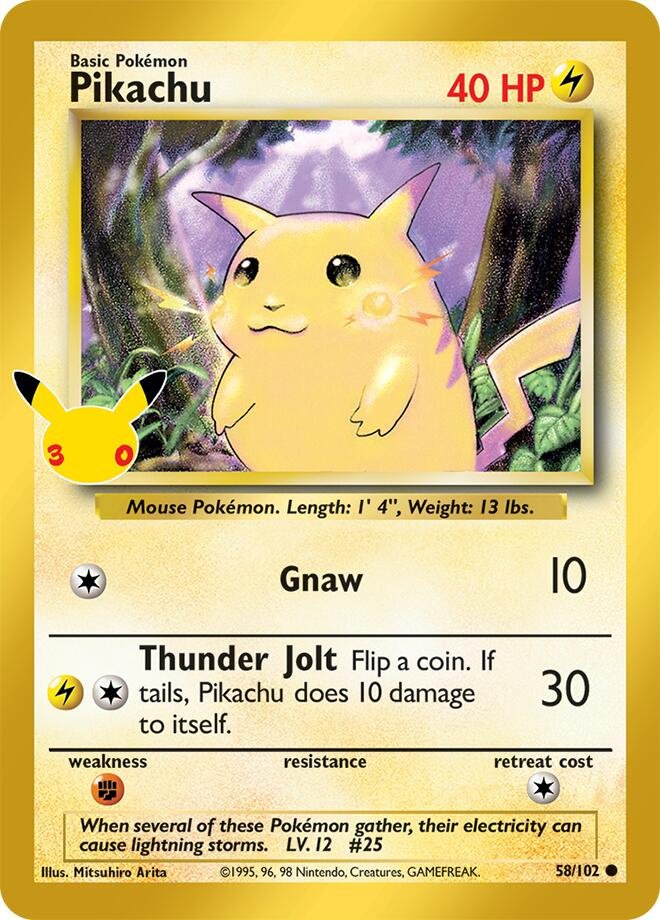
Pikachu is the character that turned Pokémon into a global phenomenon, and this is the exact card most players opened as their first-ever pull. Its Base Set illustration has been reused and referenced by Pokémon so often that it’s effectively the franchise’s visual shorthand, and it closes this countdown right where the TCG itself began.
Pull Rate and Where to Find Them
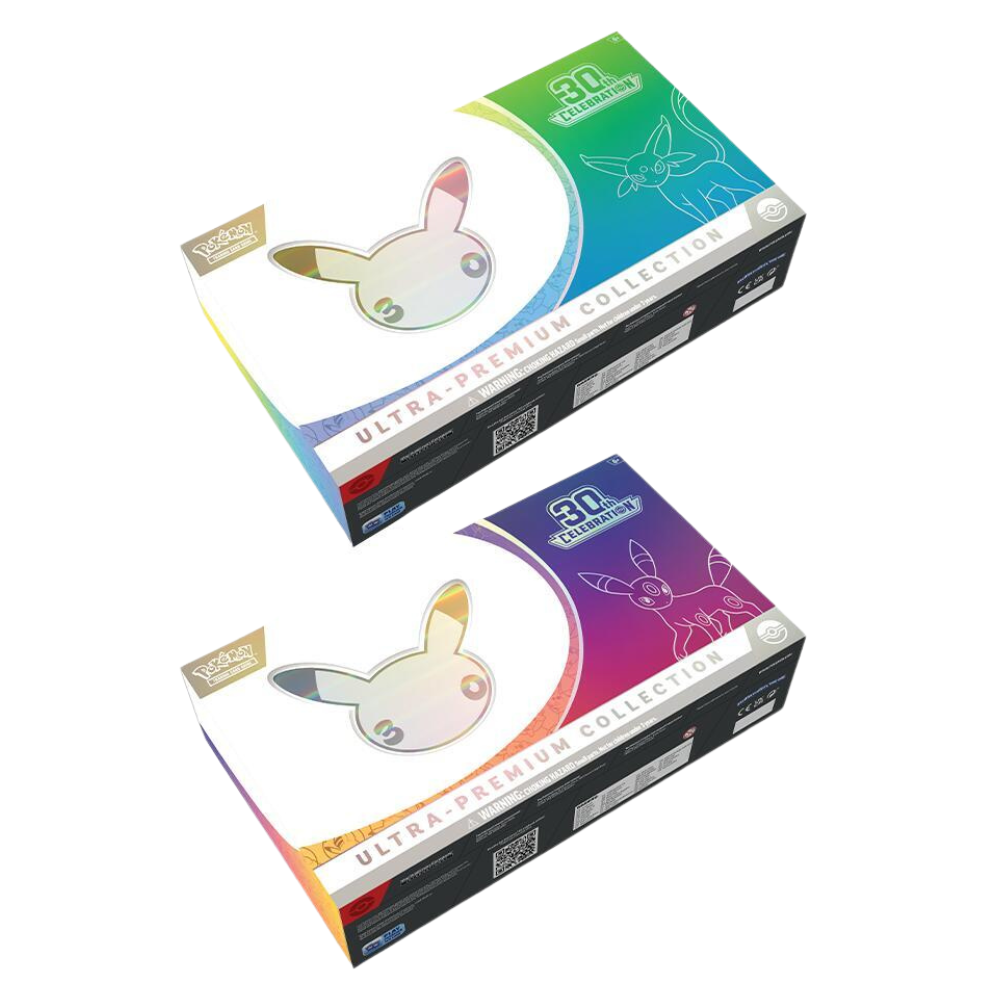
Pokémon has not published official pull rates for the Classic Collection, so no per-card odds among the 30 are confirmed. What is confirmed is the delivery method: these cards are not found in standard 30th Celebration booster packs at all. They come exclusively in a dedicated Classic Collection pack, three cards per pack, and that pack is guaranteed one per box inside the 30th Celebration Ultra-Premium Collection: Day & Night, priced at $179.99 and releasing November 6, 2026. Early box-opening reports have shown more than three Classic Collection cards in a single box, but Pokémon has not confirmed that as a guaranteed rate, so treat any specific odds you see online as community estimates rather than official numbers.

Disclosure: Links on this page use a referral system that helps support the content, at no extra cost to you.