
The Japanese Pokémon Crossing the Ruins set, released on August 31, 2000, marked one of the final major expansions of the Neo era before the e-Series transition. It blends the wild, ancient feel of Johto’s landscapes with detailed holo treatments that were unmatched in Western printings of the time. The set’s art direction captures a mix of mystery and nostalgia, using darker tones and layered foil effects to emphasize depth.

Disclosure: We use referral links to our partner marketplaces, such as eBay and TCGplayer, for some of the collectibles featured on this page. If you make a purchase through one of these links, we may earn a small commission at no extra cost to you. It's a simple way to support our writers.
Many cards feature Neo-style shading and minimalistic framing that would later influence future Japanese expansions. For collectors, Crossing the Ruins represents the perfect midpoint between early-era charm and refined visual storytelling. Here are ten of its standout cards that define why this set remains a hidden treasure among Japanese releases
10. Scizor #212
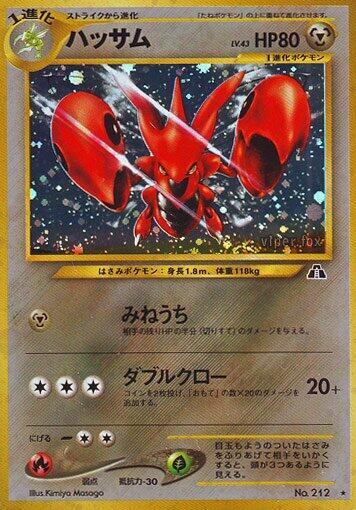

Scizor shines with its sleek metallic pose that highlights the Bug and Steel combination perfectly. The artwork uses subtle shadow and texture, giving the Pokémon a lifelike armored look. As one of the stronger Neo-era holos, it reflects both the elegance and precision of Japanese card production. Though not the rarest card, its sharp design makes it a strong display piece.
9. Kabutops #141
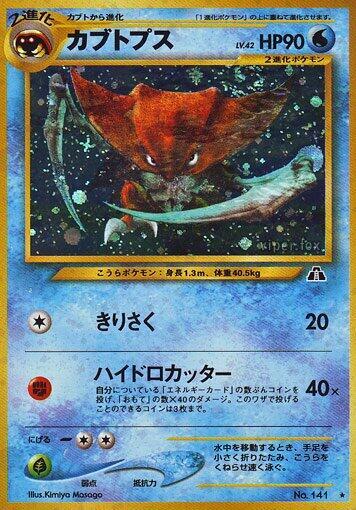
Kabutops appears poised for battle, framed by a prehistoric background that fits the ruin theme. Its coloring and foil give a sense of motion as if slicing through the card itself. This fossil Pokémon adds narrative depth to the set, balancing history with strength. Collectors often pursue it as one of the most visually consistent cards from the lineup.
8. Houndoom #229
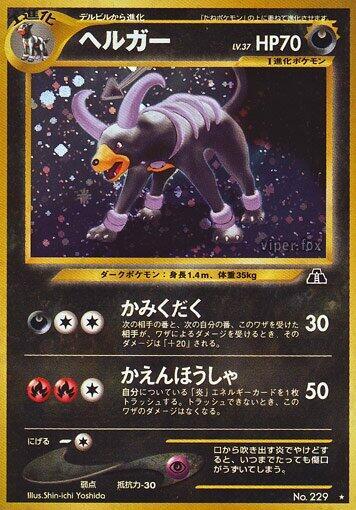
This Houndoom card is known for its dark, dramatic lighting. The contrast between black and crimson tones captures the menacing design that made Houndoom iconic. The holo treatment looks especially good under soft light, giving it a burning glow effect. It’s one of the standout dark-type cards from this era and a favorite for graded collectors.
7. Beedrill #15
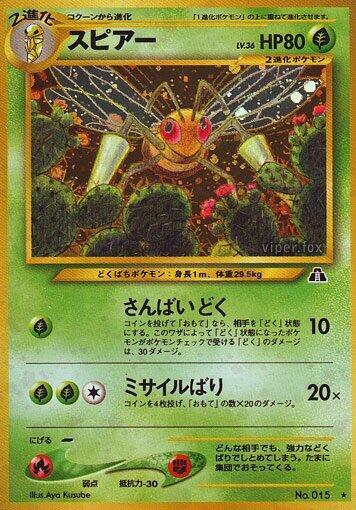
Beedrill’s dynamic artwork shows it mid-flight, wings highlighted by a sharp holo pattern. The design feels aggressive without losing clarity, perfectly representing its nature. It’s a nostalgic pick that connects older collectors to early Kanto memories through Neo-style artwork. While prices remain accessible, pristine copies have become increasingly scarce.
6. Politoed #186
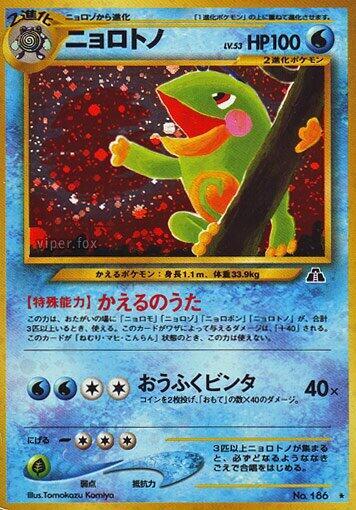
Politoed offers cheerful contrast within a set full of darker tones. The holographic surface gives its watery background a smooth, flowing appearance. Its lively personality and bright palette make it stand out on binder pages. Longtime collectors appreciate it for balancing joy and classic design simplicity.
5. Butterfree #12
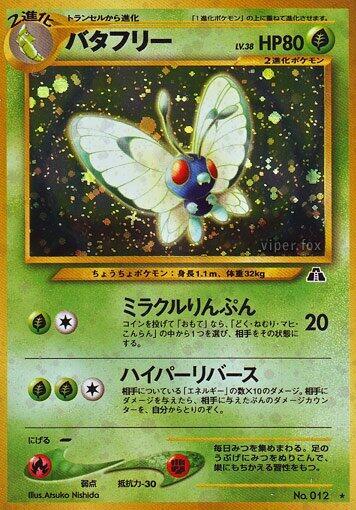
Butterfree’s soft tones and reflective background evoke the calm of a morning flight. The card’s foil work adds delicate shimmer to the wings, creating gentle visual depth. Its light colors make wear more noticeable, so near-mint examples are difficult to secure. This is one of those understated cards that reward collectors who value subtle beauty.
4. Tyranitar #248
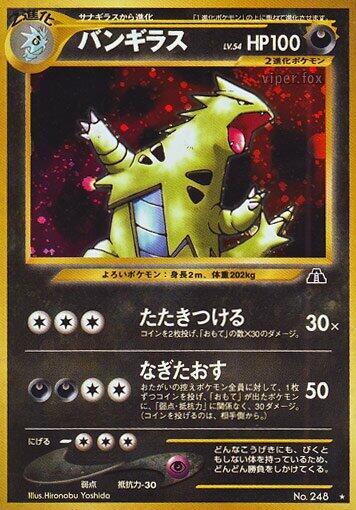
Tyranitar embodies power and menace with bold composition and a rugged setting. The artist captures the Pokémon’s heavy stance and dark aura perfectly. Its dual-type presence makes it a cornerstone of the set’s tone, representing strength amid ruin. Collectors consider it a defining piece that bridges Neo-era ferocity with early modern styling.
3. Dark Raichu #26
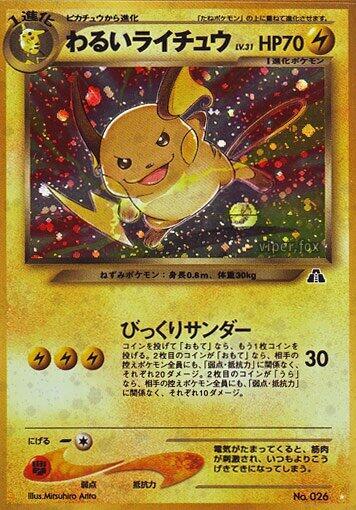
Dark Raichu channels the shadowed energy of the Rocket series with a refined twist. Its background crackles with lightning, giving motion and life to the artwork. As one of the most recognizable non-Eeveelution cards in the set, it maintains steady collector appeal. It’s a blend of nostalgia, bold coloring, and early darkness that remains timeless.
2. Espeon #196
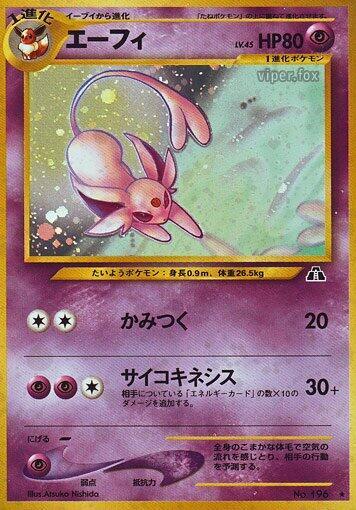
Espeon’s calm, psychic poise is matched with elegant holo patterns that shimmer in silver and violet. The simplicity of the composition highlights the Pokémon’s refined character. For many collectors, it captures the peak of Eeveelution aesthetics before the e-Series began. It remains a consistent performer in vintage grading and private sales.
1. Umbreon #197

Umbreon is the darker counterpart to Espeon, glowing under a subtle night sky. The muted palette and careful lighting give it a cinematic tone that feels ahead of its time. It’s widely considered one of the most beautiful Umbreon cards ever printed. Its rarity, condition sensitivity, and collector devotion secure its place near the top
Crossing the Ruins remains one of the strongest examples of how the Pokémon TCG in Japan captured story and tone through artwork alone. With its August 2000 release, it closed the Neo era with a blend of mystery and polish that Western collectors are only beginning to fully appreciate.

Disclaimer: eBay links on this page use a referral system that helps support the content—at no extra cost to you.